

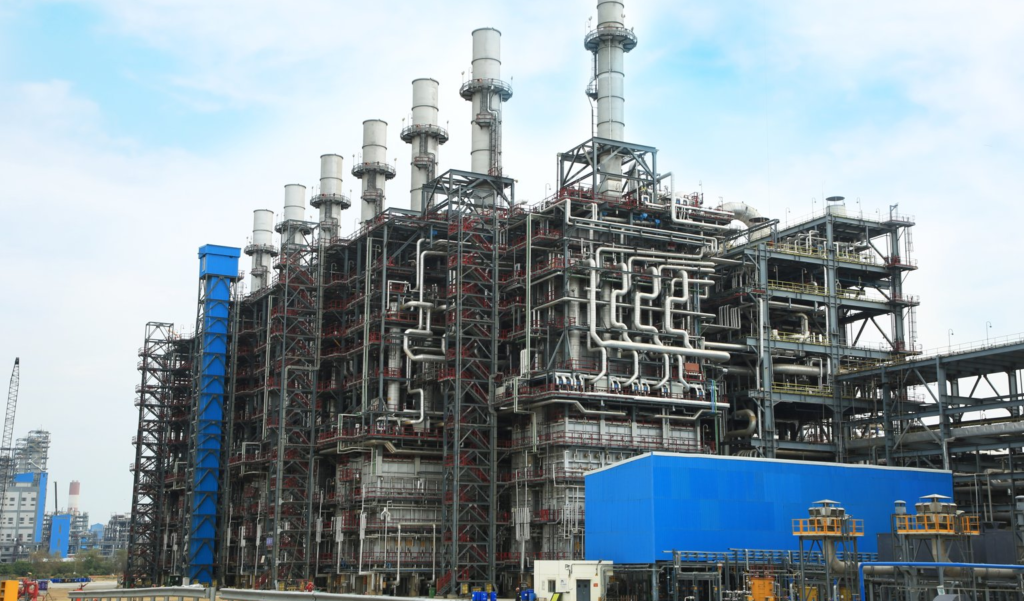
Pick up the nearest plastic object. A pen, a water bottle, the case on your phone charger. Chances are it began as oil or natural gas. So what are petrochemicals? They’re the chemicals made from petroleum and natural gas rather than burned as fuel, and they quietly sit behind a huge share of modern manufacturing.
Petrochemicals Meaning and Types
The petrochemicals meaning is simple enough: chemical compounds derived from petroleum or natural gas. Nes Fircroft’s industry guide groups them into three main families.
- Olefins, such as ethylene, propylene and butylene, which become plastics, resins and fibres
- Aromatics, such as benzene, toluene and xylene, used for dyes, solvents, resins and detergents
- Synthesis gas, a mixture of carbon monoxide and hydrogen, which leads to methanol and ammonia
Ethylene, the most important olefin, has its own explainer in our guide to what it is and how it’s made.
How Petrochemical Products Are Made
Petrochemical products start with a feedstock, usually naphtha from a refinery or ethane from natural gas. The feedstock is cracked at high temperature into smaller molecules, then separated and purified. From there, further reactions such as polymerisation join small molecules into long chains, giving plastics like polyethene and polypropylene. AZoM’s overview of plastic raw materials describes the cracking step well.
Petroleum Products vs Petrochemical Products
People often mix up fuels and petrochemicals, and the confusion is understandable, since both come from the same refinery. The split is about use. Fuels get burned. Petrochemicals get turned into materials.
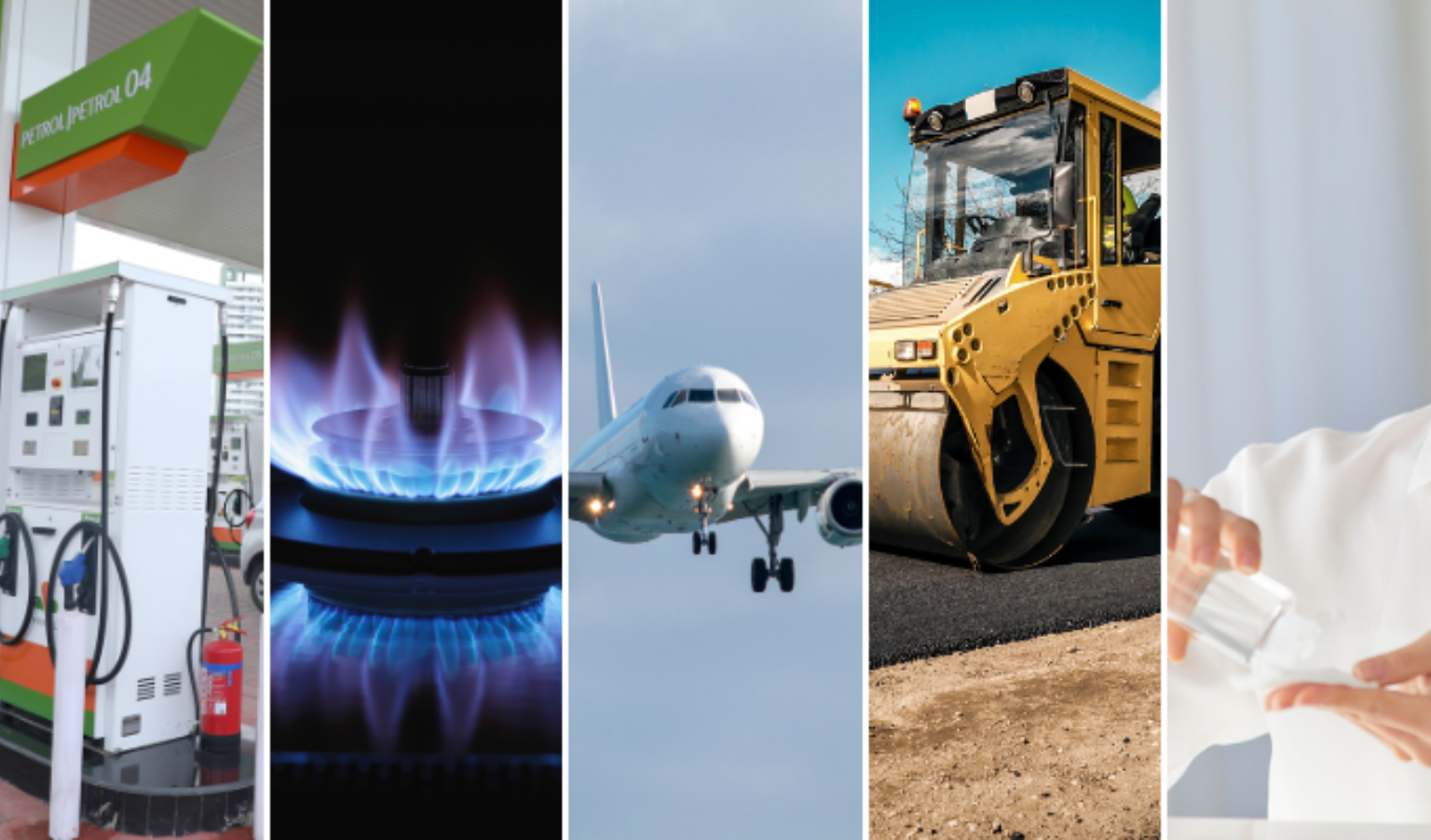
A typical petroleum products list in India includes:
- Petrol and diesel
- Aviation turbine fuel
- LPG
- Superior kerosene oil
- Naphtha
- Bitumen
- Petroleum coke and sulphur
Naphtha is the bridge. It’s a refinery product, but it’s also the main feedstock for crackers that make petrochemicals. Polymers such as polypropylene and polyethene then follow from those crackers.
Why Refiners Move Into Petrochemicals
Refiners have a natural reason to enter this business. They already produce naphtha and refinery gases, and turning those into polymers adds more value than selling them as fuel or raw feedstock. HMEL, which runs a refinery in Bathinda, Punjab, is one Indian example, with polyethene and polypropylene among its products. Fuel margins tend to follow crude prices, while polymer demand follows the wider economy, so having both can spread the risk.
Everyday Uses
Petrochemical products show up in more places than most people notice.
- Packaging: bottles, films, food containers and bags
- Healthcare: syringes, vials, tubing and medical packaging
- Agriculture: fertilisers made from ammonia, and plastic sheeting for crops
- Construction: pipes, insulation, coatings and adhesives
- Textiles: polyester and other synthetic fibres
- Electronics: casings, cable insulation and circuit board materials
Benzene: A Useful and Hazardous Example
Benzene shows both sides of petrochemistry. PCC Group’s product guide describes it as a starting material for phenol, resins, plasticisers and dyes. It’s also a known carcinogen, which is why handling rules are strict and why its use in consumer products has declined. A chemical can be extremely useful and still need careful management.
India’s Petrochemical Gap
India’s demand is growing quickly. CareEdge expects petrochemical consumption to rise by 6 to 7% a year, as reported by Indian Chemical News. Supply has struggled to keep up. India’s petrochemical imports went from about 6 million tonnes a year in FY19 to FY22 to roughly 9 million tonnes in FY23 and FY24. Imports cover about three-quarters of PVC demand and about a fifth of polyethene and polypropylene demand. A fifth may sound modest, but for materials used as widely as packaging film, it adds up to a great many tonnes.
New capacity is coming. S&P Global estimates India will add around USD 37 billion in petrochemical investment by 2030. The risk is global oversupply. China has been responsible for the bulk of recent capacity additions, which pushes down prices and makes it harder for new Indian plants to compete with cheap imports.
The Waste Question
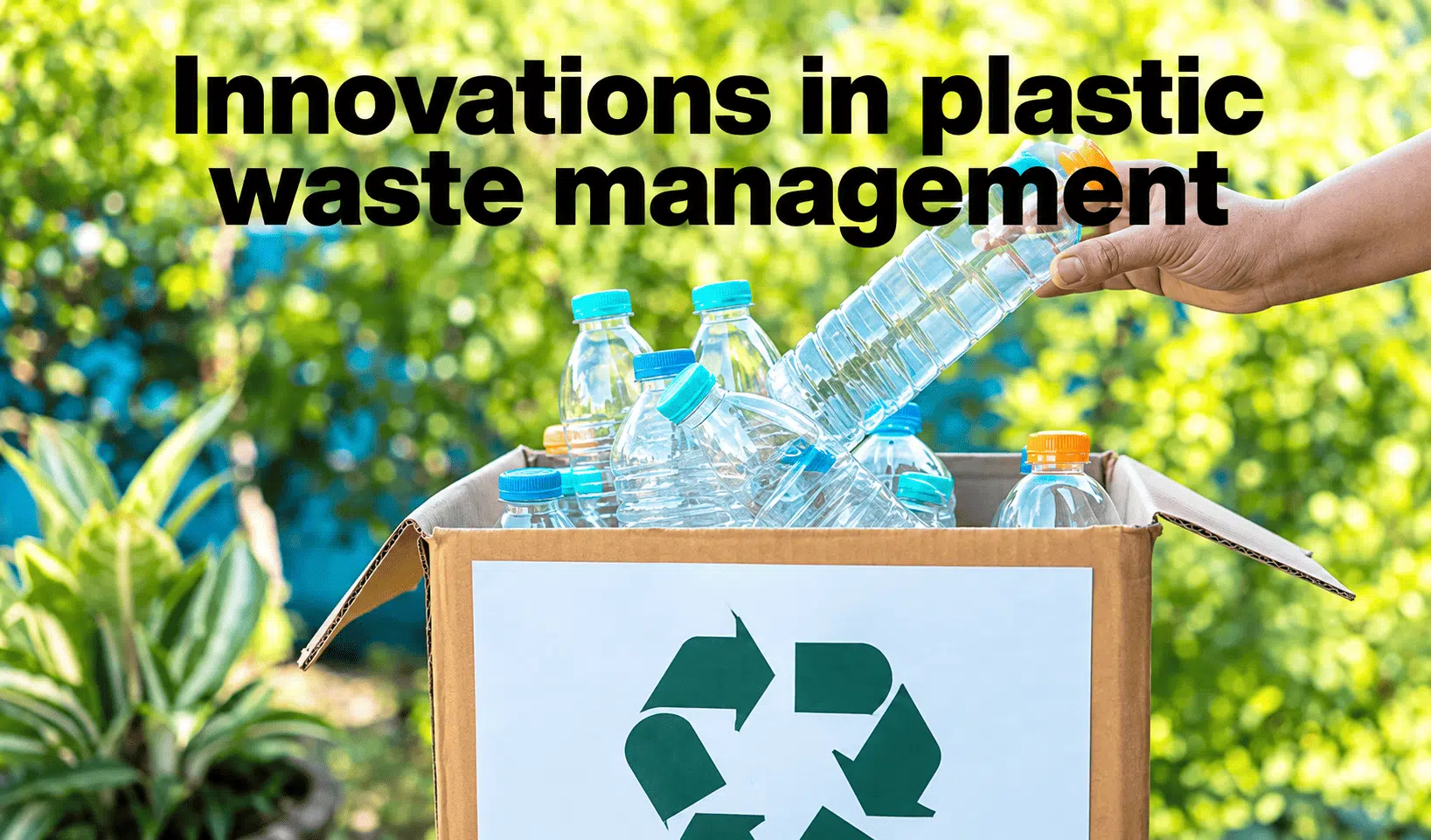
Plastic doesn’t stop mattering once it’s made. Polypropylene, one of the most common petrochemical products, is recycled at a rate commonly cited at around 3%. Heat and repeated processing break down its properties, and food-grade rules limit where recycled material can go. Multilayer food packaging adds another problem, because the layers are hard to separate once they’re bonded together. That’s a significant limit on how circular the industry can become, and it’s covered in more detail in our polypropylene guide.
What It Adds Up To
Petrochemicals are what’s left of a barrel of oil once the fuel has been taken out, and sometimes before. They link refining to nearly every manufacturing sector. India wants more of that chain made at home, but with imports still filling a large part of demand, the gap between ambition and output will be worth following.


 no updates