


The world is watching India’s growth story, from the highways and factories to the planes in the sky and even the gas stove at home. The one force that lies at the centre of this growth is petroleum products. Yes, you name it; from mobility to manufacturing, petroleum products run India’s economic engine. The petroleum sector in India continues to grow, driven by increased investment in technology and innovation. India has reclaimed an
important role in the global energy chain.
As India moves towards becoming the world’s third-largest energy consumer, there is a greater focus on balancing demand, innovation and sustainability. It is about developing technology and resources to create a self-reliant energy future. India has already secured its position in the market as a critical consumption and a desirable export hub of petroleum products. Therefore, it is essential to understand the importance of petroleum products, along with their market trends and future insights.
Rising Demand and Expanding Refining Capacity
The market for petroleum products in India has been experiencing a significant increase due to rising demand and shifts in global trade.
In global terms, the petroleum products market size is expected to touch USD 863.19 billion by 2028. With its ever-increasing technology and innovation, India’s share in this growing market is huge. The country’s refining capacity has surged from 215.06 MMTPA in 2014 to 256.81 MMTPA in 2024, ranking India among the world’s top refining nations.
Along with petroleum products, the Indian energy sector is also undergoing a significant shift. There are around 651.8 million metric tons of recoverable crude oil. According to the Organisation of the Petroleum Exporting Countries (OPEC), India’s oil demand is projected to increase to 5.99 million barrels per day by 2026.
Due to the exclusive rise in petroleum products, the demand for genuine suppliers of Petroleum products to India is also increasing. Further, the dominance of refining capacity is also increasing with time. With oil demand in India registering a 2-fold growth, diesel demand is also experiencing a significant rise, projected to reach 163 MT by the end of 2030. In addition to this, the gasoline demand is also generating a subsequent demand. India’s natural gas consumption is expected to increase by 60% by the end of 2030. To prioritise energy sustainability and security, our country is going to level up the network of gas pipelines by 10,805km. India is expected to increase the global oil demand. The consumption rate is expected to reach 5.74 million BPD this year. The rate is expected to evolve to 5.99 million BPD by 2026.
These statistics are among many others that can be discussed. They are signals of an immensely expanding economy and energy ecosystem, growing both in scale and sophistication.
How petroleum products impact our lives
Petroleum products are not limited to refineries, patrol pumps or factories only. They are everywhere, and our lives will come to a standstill without them. Let’s see a few important uses of these products.
Transport Fuels
Patrol and diesel are the most prominent fuel choices for vehicle operators. With growing mobility and increasing infrastructure, this demand is expected to continue growing day by day.
Domestic Usage
We use LPG and PNG for cooking and some regions of our country still use Kerosene as a major fuel in their kitchens.
Feedstock for petrochemicals
Essential petroleum products, such as LPG and naphtha, serve as integral raw materials to create synthetic fibres, plastics, and other chemical products. This is a valuable chain that is driving the rapid demand for petrochemicals.
Infrastructure and Industrial
Bitumen is used for road construction projects, and jet fuel for aviation. Furthermore, we rely on suppliers of petroleum products in India to support industrial heating and other applications.
This is why the petroleum sector is often referred to as the “lifeblood” of developing India, as it supports everything from home cooking to heavy industry.
How Technology and innovation are boosting the Petroleum Industry
A significant amount of research and innovation is taking place in the petroleum sector. Technology is boosting the growth of the industry. Companies across India are adopting different techniques and methods for various processes. They are adopting techniques such as enhanced oil recovery (EOR), digital refinery operations and AI-driven exploration. These technologies help improve efficiency, reduce waste, and increase safety.
At the same time, there is even more focus on sustainability and eco-friendly methods. Refineries are using green technologies, investing in bio-refineries and compressed biogas (CBG) projects. Industry and government leaders agree on one thing: for future growth of the sector, there should be a balance between profitability and environmental responsibility.
The Road Ahead: Future Trends of Petroleum Products in India
It is projected that by 2030, India’s oil consumption could reach 163 million tonnes. As of April 2025, the installed refinery capacity of our country rose to 258.1 million metric tons and is expected to grow 56 MMT per annum by 2028. This approach is strongly dominant in the significant refining infrastructure. Global players are willing to collaborate with Indian companies to build large-scale refineries, and this shows the world’s confidence in the nation’s long-term potential. India’s energy demand is growing significantly compared to that of any other global
economy. All this is supported by incredible economic expansion. Furthermore, suppliers of petroleum products to India are also expected to invest in greener initiatives, such as green hydrogen production and carbon capture technologies, to enhance the sector’s adaptability.
India has witnessed a strong demand for petroleum product exports over the last decade. The refining values of the country have already exceeded 250 MMTPA. This growth has enabled the country to satiate the demands of global markets.
Apart from this, there are many government initiatives, such as maintaining strategic petroleum reserves and the Pradhan Mantri Ji-Van Yojana, which promotes next-generation biofuel projects. Another initiative is the Ethanol Blending Programme, which aims to achieve 20% ethanol in petrol by 2026, thereby reducing emissions and fossil fuel dependency.
Contribution of HMEL in fuelling India’s Growth Story
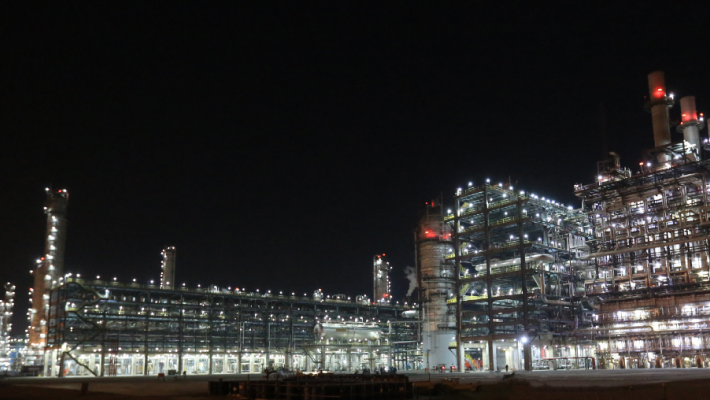
HPCL-Mittal Energy Limited (HMEL) is among the key players leading the growth of the petroleum sector. It is counted among the most advanced and forward-thinking petroleum products producer companies. HMEL produces a wide range of high-quality petroleum products to meet national and global demands at its world class refinery in Bathinda, Punjab.
HMEL has a clear vision that integrates efficiency, innovation and environmental commitment while producing its products. HMEL contributes to making India self-dependent in its fuel needs by investing in cleaner refining technologies, integrating renewable energy initiatives, and continuously expanding capacity, working with companies like HMEL that drive innovation and set standards, keeping pace with global benchmarks.
The Indian petroleum sector has immense potential and is growing steadily year by year. With growing refining capacity and developing technologies, this sector is becoming the engine of economic growth and a robust future.
India’s petrochemical sector is entering a high-growth era. Learn how capacity expansion, innovation, and policy support are positioning India as a global leader.
FAQs
Key trends include:
- Expansion of refining capacity to meet both domestic and export demand.
- Shift towards cleaner and specialty fuels and increased focus on sustainability.
- Technological adoption such as AI, digital refinery processes, and biofuel projects.
- Integration of petrochemical production with refining to add value and diversif
Government policies and initiatives such as strategic petroleum reserves, biofuel programmes, and ethanol blending targets support energy security and sustainability. These policies encourage investment, promote cleaner fuels, and help balance demand with environmental goals.
The future outlook remains robust, with projected continued growth in consumption and refining capacity, strong export potential, and greater adoption of cleaner technologies. India’s energy demand is expected to rise significantly, driven by economic growth, increased mobility, and expanding industrial activity.
Fluctuations in global crude oil prices directly affect the cost of petroleum products in India. Since India imports a large portion of its crude oil, changes in international prices, exchange rates, and taxes influence retail fuel prices.
The industry is increasingly focusing on cleaner fuel alternatives, biofuels, and technologies that reduce emissions. Government programmes and investments in green energy solutions are pushing the sector toward a more sustainable future.




 no updates