

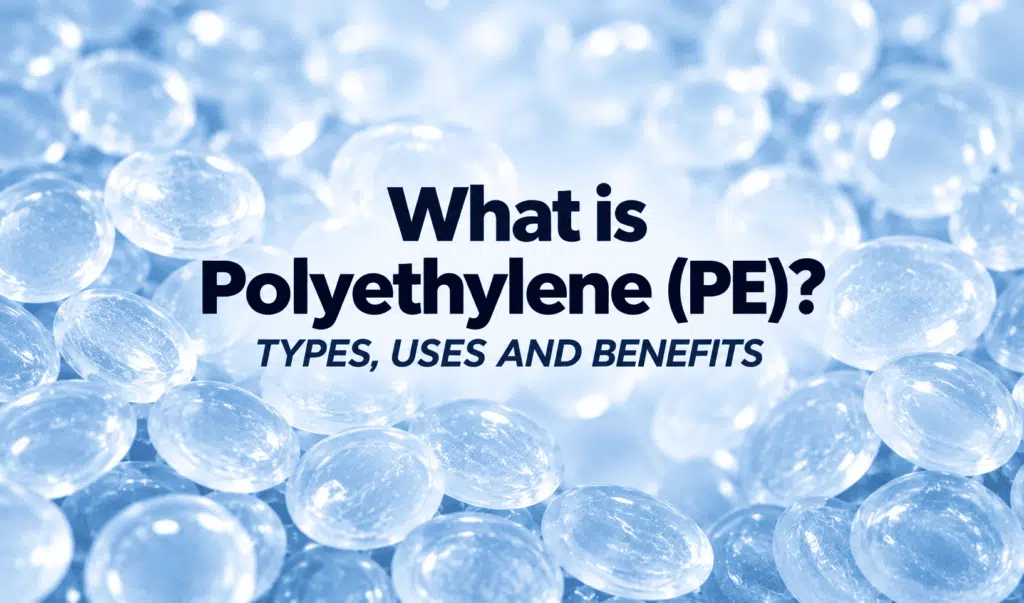
Polyethylene, commonly known as PE, is one of the most widely used thermoplastic polymers in the world. People always think what is polyethylene, and it is basically a lightweight and sustainable plastic that is used for food packaging, shopping bags, electrical applications, and household commodities. Polyethylene is made through the polymerisation of ethylene, which is a simple hydrocarbon gas, and connects an endless number of ethylene molecules into elaborate molecular chains. The key properties of polyethylene depend on molecular weight, branching, density, and clarity.
What Is Polyethylene Made Of?
Polyethylene is mainly made from ethylene, which has the chemical formula C₂H₄. Ethylene is mainly produced from petrochemical feedstocks, which are extracted from oil and natural gas, although renewable routes can also provide ethylene. During polymerisation, the double bond in ethylene molecules opens, and the molecules merge together to form extensive chains of polyethylene. Manufacturers use various polymerisation technologies, catalysts, pressures, and temperatures to control the molecular base of the polymer.
Types of Polyethylene
The main types of polyethylene include LDPE, LLDPE and HDPE, although the broader and more extensive grades such as MDPE, UHMWPE, VLDPE and cross-linked polyethylene are only used for some exact specifications. Low-density polyethylene (LDPE) has a more constructive molecular framework, which gives more room for elasticity, clarity, and sturdiness. The world’s most high-density polyethylene offers a high degree of tensile strength. Low-density polyethylene is used for plastic films, carrier bags, cling film, cable coatings, and effortless packaging. Both high-density and low-density polyethylene are used for moulding applications.
HDPE has basically led to permitting molecular chains to pack more closely. allowing its molecular chains to pack more closely. This gives HDPE more scope for being rigid, ensuring chemical resistance and more durability in relation to LDPE. It is also used for bottles, containers, filling crates, drums and pipes.
How Is Polyethylene Manufactured?
Polyethylene manufacturing commences with the production and purification of ethylene. The ethylene is then polymerised under well-maintained conditions to create polyethylene resin. Various technologies are chosen for the needed PE grade. LDPE is typically manufactured using high-pressure polymerisation, while HDPE and LLDPE are created through lower-pressure procedures using effective catalyst systems.
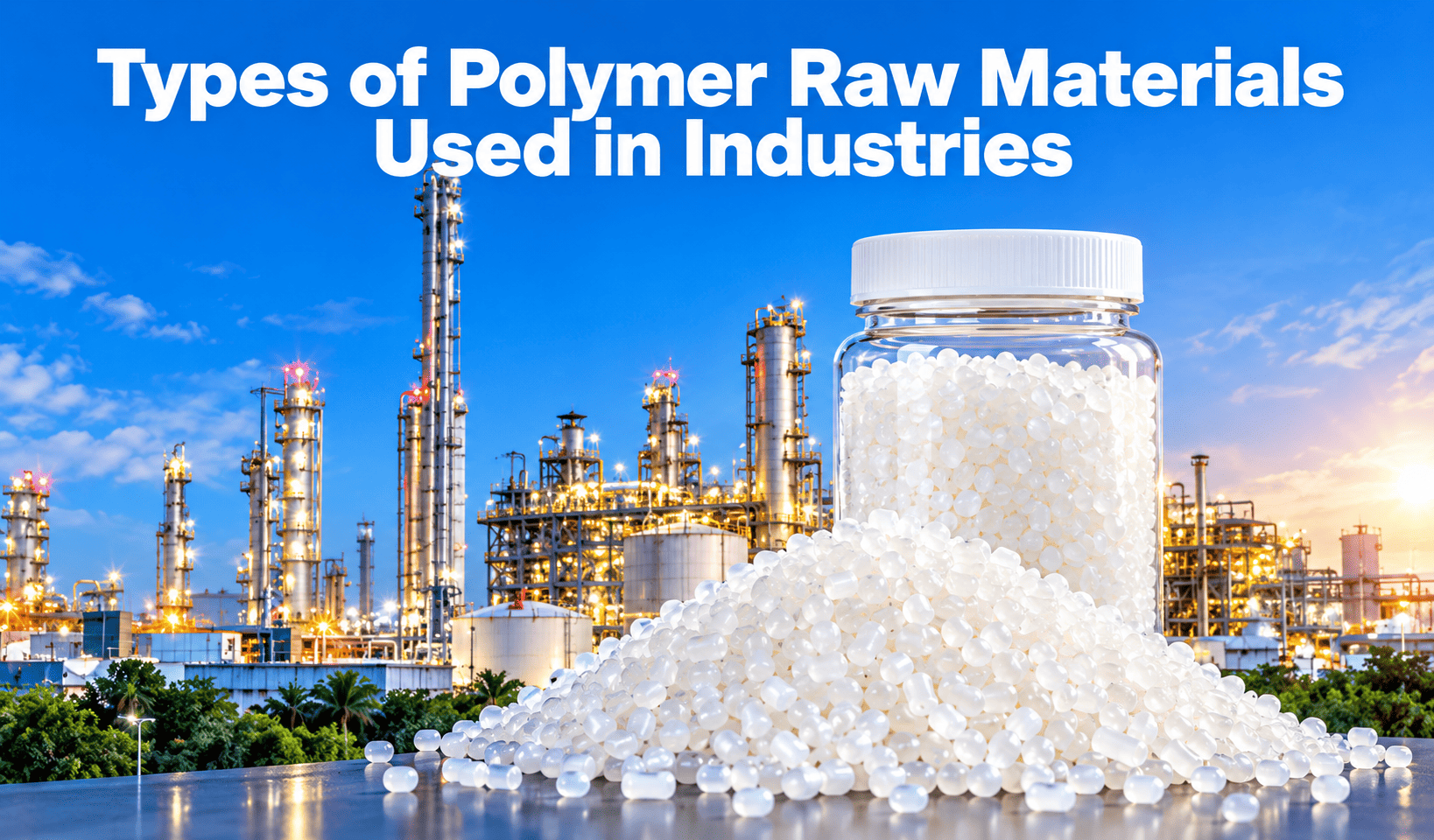
Industrial procedures consist of gas-phase, slurry and solution polymerisation. After polymerisation, the polyethylene material is separated and processed into pellets, which can then be sent to manufacturers for important processes lie extrusion, injection and blow moulding and film production.
Uses of Polyethylene
Polyethylene is beneficial for a majority of manufacturing and consumer product related sectors since its components can be adapted through different levels and procedures. . In packaging, PE is used for films, bags, bottles, containers, wraps, and secured packaging. HDPE is mainly appropriate for inflexible containers such as detergents, food holders and industrial drums.
PE is also important in construction and interior decoration. HDPE pipes are used for mainly for distributing water through channels, drainage, and other applications where chemical resistance, durability, and low weight are valuable. In electrical applications, polyethylene plastic can be used as an insulator and cable coating substance because of its advantageous electrical properties. The material is also found in agricultural films, toys, household products, storage containers, automotive components and specialised industrial products.
Advantages of Polyethylene
There are several benefits of polyethylene which can help users to avail the properties of polyethylene. The benefits include:
- Polyethylene is an affordable material to produce for budget friendly solutions. Its cost effective and low production costs helps keep price of plastic bags, bottles and packaging affordable.
- Polyethylene is versatile and can be put to various uses like packaging, construction and medical industries. Its moulded in different shapes and used in different grades.
- One of the biggest advantages of polyethylene is its combination of low weight, durability, chemical resistance and relatively low cost. PE can withstand contact with many chemicals and water-based substances.
- Polyethylene offers excellent resistance to materials, moisture and environmental conditions.
- Polyethylene is durable and flexible. It is ideal for packaging material and is resistant to cracking.
How Polyethylene Affects Product Quality
The choice and quality of polyethylene can have a direct impact on the performance and appearance of finished materials. Density and molecular framework influence rigidity, strength, flexibility, and impact resistance, while molecular weight and crystallinity can impact processing behaviour and sustainability.
Processing conditions are equally important. Incorrect temperature, cooling rates, pressure, or moulding conditions can create problems such as warping, inconsistent dimensions, weak areas, or surface defects. Resin contamination or inconsistent material properties can also reduce product reliability. Therefore, manufacturers need to select the correct PE grade and maintain consistent processing parameters to achieve uniform quality from one production batch to another.
Conclusion
Sometimes it strikes the mind that what is polyethylene and it is a highly versatile thermoplastic made by polymerising ethylene into long molecular chains. Its different structures and grades, particularly LDPE, LLDPE and HDPE, allow it to serve a huge range of applications. Its lightweight nature, chemical resistance, toughness, flexibility, durability and ease of processing make it an important material for packaging, construction, piping, electrical products and consumer goods. However, manufacturing high-quality polyethylene requires cosniderate control of polymerisation, management of raw materials, catalysts, pressure and temperature range. Ultimately, choosing the right polyethylene grade and processing it correctly can significantly improvise strength, durability and overall strength.


 no updates