

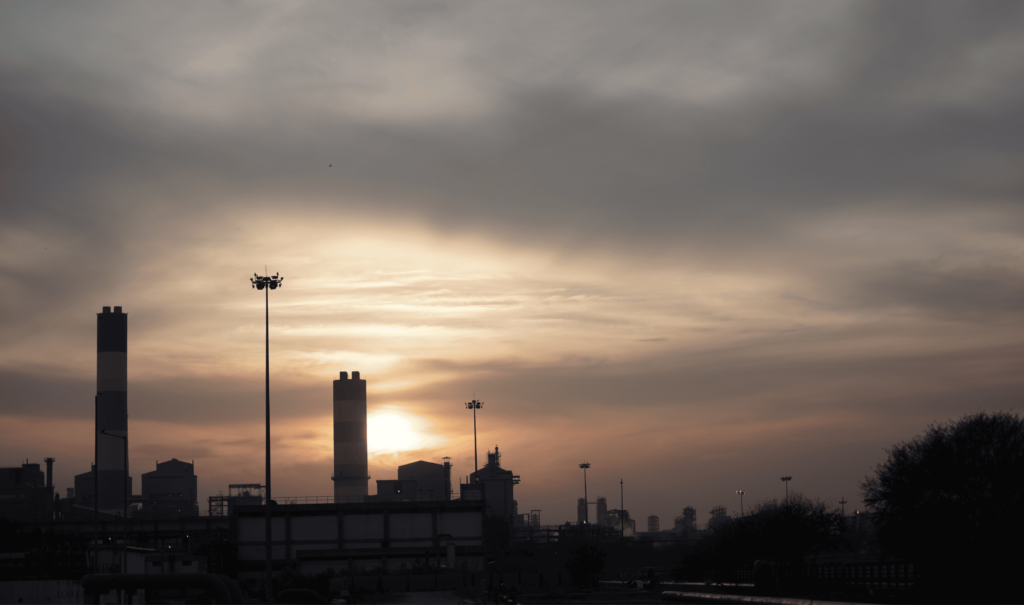
India is making a big investment in the petroleum sector in the coming years as it is going to spend a substantial USD 37 billion in the medium term to achieve self-sufficiency in petrochemical manufacturing. This is a capital outlay that will result in a significant reduction in import dependence. The country is estimated to be importing about 45 per cent of the petrochemical intermediates, with the US imports estimated at approximately USD 88.6 billion per annum. This change is driven by the vision of Prime Minister Narendra Modi, known as Make in India. By the year 2030, India intends to attain a third of the global potential increase.
Market Size and Economic Contribution
In 2024, the industry had reached a value of USD 220 billion in the market. This industry adds approximately 6 per cent of India’s GDP. Industries involved in the production of Petrochemicals in India also provide employment to around five million people. The Union Minister of Petroleum and Natural Gas estimates a growth of up to USD 300 billion by 2025, representing a compounded annual growth rate of 10-12 per cent. Moving ahead, the market is also expected to reach USD 1 trillion by 2040.
Strong Demand Despite Oversupply Challenges
India has a per capita consumption of petrochemicals at approximately 12 kg, which is just one-third of the global average. This loophole brings up many possibilities for growth. The aggregate demand stood at 58 million tonnes in 2024. This was 8 per cent higher than the demand from last year.
The low prices of major bulk chemicals have caused margin pressure on petrochemical companies. By the next year, the demand will hit 65million tonnes. Plenty of supplies and fresh capacities entering the market offer competitive conditions. Nevertheless, robust economic growth and industrial output facilitate demand growth.
Investment Landscape: Public and Private Collaboration
The planned investment will include USD 25 billion in government-owned enterprises. The players in the private sector will inject USD 12 billion in a more flexible way. Currently, petrochemical developments valued at approximately USD 45 billion are underway. The US will spend an extra USD 100 billion to satisfy the increasing demand. Government investments are primarily dominated by Public Sector Undertakings. Individual players, such as HMEL, also undertake significant investments. The government offers expedited permissions to both brownfield and greenfield projects.
Strategic Importance Across Industries
The petrochemical plants in India serve as strategic catalysts for industrial development. The industry provides raw materials used in the automobile, pharmaceutical, textile, and agricultural industries.
They assist the overall economic objectives of India, such as Make in India and Atma nirbhar Bharat programmes. The industry facilitates value-added activities in other downstream sectors, including construction, agriculture, and transport. Smartphones, medical equipment, synthetic clothes, fertilisers, detergents, and packaging materials are plastic components that also rely on this industry.
Export Potential and Global Positioning
In FY24, petrochemical exports of India reached a valuation of more than USD 40 billion. The major export markets are China, the UAE, Bangladesh, Vietnam, Turkey, Belgium, the US, and Africa. Organic chemicals and polymers represent one of the largest export shares. The country is an exporter of a large variety of goods, such as polymers, synthetic rubbers, aromatics, styrene, glycol, and methanol.
The geographical position of India gives it close access to major shipping routes. Feedstock flexibility is provided by the presence of naphtha-based and gas-based crackers. The powerful refining base supports the capture of feedstock on petrochemical complexes. India now stands out as a dependable sourcing partner as world manufacturers embrace the concept of China+1.
Export Potential and Global Positioning
For any industry to grow, apart from generating profits, it should also focus on leaving a positive impact on people, the planet and future generations. HMEL, with its sustainable and innovation-focused Petrochemical plants in India, adheres to Environmental, Social, and Governance (ESG) principles. With its innovative approach and focus on ‘Extended Producer Responsibility (EPR)’, HMEL has launched Mechanically Recycled Polymer Brand – ECOSURE & Chemically Recycled Polymer Brand – CYCLOSURE as part of its commitment to sustainable waste management solutions. Apart from these feats that aim to reduce plastic waste management complexities, petrochemical plants in India are making efforts for water recycling and energy conservation during their operations and processes. The petroleum industry in India is evolving rapidly and is committed to sustainable growth, empowered communities and ethical leadership.
China’s Dominance and India’s Response
By 2030, China will contribute 51 per cent of all the capacity additions within Asia. It is estimated that the country will contribute 245.5 million tonnes per annum within the next five years. The Shandong Yulong Petrochemical Longkou Ethylene Plant 2 will contribute 5.2 million tonnes per annum.
But Petrochemical India is in the right position as a global player. Competitive advantage is fuelled by the focus on increasing capacity and improving product lines. The strategic location and favourable trade policies of India encourage international relations. This synergy of investment, policy support and innovation opens the full potential of the industry.
The Path Forward
The demographic dividend in India and the growing middle class generate a high domestic demand. The increase in urban infrastructure promotes the demand for products that contain petrochemicals. Import dependency will decline dramatically with USD 124 billion of intended investments. This is critical towards the Viksit Bharat objective.
The process of moving the USD 220 billion to USD 1 trillion cannot be achieved without strategic planning. There is also the need to reform policy, invest in infrastructure and R&D incentives. This will guarantee that economic development remains in harmony with the environment.


 no updates