

Crude oil straight from the well is no use to a car, a stove or a plane. It’s a thick, variable mixture, and the job of a crude oil refinery is to sort it into products people can actually burn, spread or build with. The crude oil refining process looks complicated from the outside, but it follows a fairly logical order.
What Crude Oil Contains
Crude is mostly hydrocarbons, molecules made of hydrogen and carbon, along with smaller amounts of sulphur, nitrogen and oxygen compounds. The U.S. Energy Information Administration separates crude oil from the petroleum products refined from it. Crudes differ a lot. Light crude flows easily and yields more petrol and diesel, while heavy crude is thicker and needs more processing. Low-sulphur crude is called sweet, and high-sulphur crude is sour. Which crude a refinery buys shapes how it’s run.
Oil Refining Methods in Three Groups
Most oil refining methods fall into three groups. Separation splits crude into fractions. Conversion changes the molecules, usually turning heavy fractions into lighter ones. Treatment removes impurities and adjusts the final blend. Every petroleum refining process is some mix of the three.
Stages of Oil Refining
Here’s how crude oil is refined, in the order most plants follow it.
- Receiving and desalting. Crude arrives by tanker or pipeline and is tested for density and sulphur. Salt and water are washed out before the oil goes any further, because they corrode equipment.
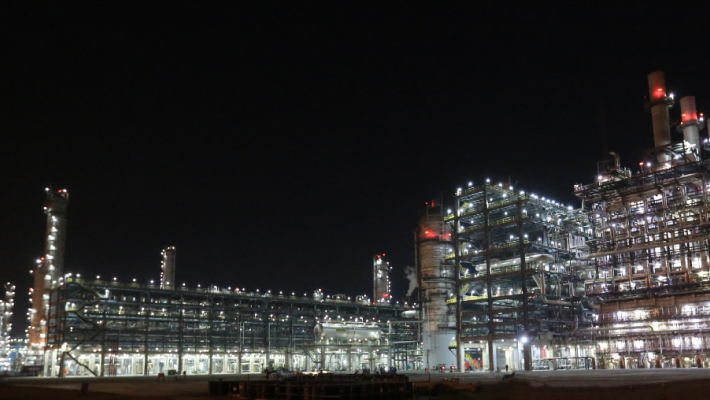
- The crude oil distillation process. Crude is heated in a furnace and fed into a tall column. Vapours rise, cool and condense at different heights. LPG and naphtha come off near the top, kerosene and diesel in the middle, and heavier material at the bottom. This crude oil separation process is physical, not chemical. A vacuum column then handles the heavy residue, which would break down at normal pressure.
- Conversion. Distillation alone leaves too much heavy material. Cracking units use heat, catalysts or both to break that material into lighter, more valuable fuels. Reforming reshapes molecules to raise the octane of petrol. It’s energy-hungry work, but it lets a refinery get far more usable fuel from each barrel. Coking, which deals with the very heaviest residue, leaves petroleum coke as a by-product, which is why pet coke appears on refinery product lists.
- Treatment. Sulphur and other impurities are stripped out so fuels meet quality rules. Under the BS-VI norms, petrol and diesel carry a maximum of 10 ppm sulphur, as shown in HMEL’s published specifications.
- Blending and storage. Components are mixed with additives to hit exact specifications, then stored and dispatched. Those crude oil processing steps give you the petrol, diesel, kerosene, LPG, bitumen and petrochemical feedstocks a refinery sells.
How Crude Oil Is Refined in India
Each oil refinery in India fits into this pattern, though not all are equally complex. According to the Petroleum Planning and Analysis Cell, India has 23 refineries with about 258 million tonnes a year of installed capacity as of April 2025. For a plant-by-plant comparison, see our guide to how an oil and gas refinery works.
Some are built to take heavier, cheaper crudes, which usually means more conversion units. Others are simpler. That’s one reason two refineries of the same size can produce very different mixes of products.
Where the Crude Comes From
The refining side has grown, but the supply side hasn’t kept up. PPAC data shows India’s crude oil import dependency rose from 85.5% in FY2023 to 88.2% in FY2025, touching an all-time high of 90.6% in May 2025. Domestic production has been trending down over the same period.
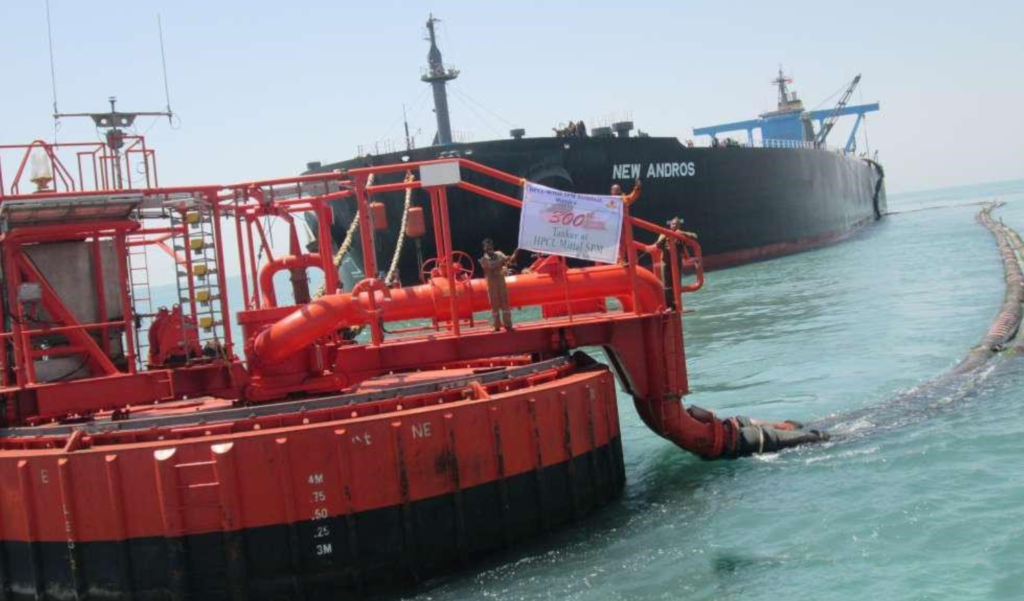
Inland refineries depend on long pipelines from the coast. HMEL’s Bathinda refinery, for example, receives crude through a Single Point Mooring off Mundra in Gujarat, with a pipeline of more than 1,000 kilometres completing the journey.
Refiners pick their crude on price and expected yield, and that choice shifts with global supply. A plant designed around one slate of crudes can’t always switch easily to another.
Energy Use and Emissions
Refining is energy-intensive. Distillation furnaces, crackers and hydrogen production all burn fuel or consume power, and refineries also release gases and generate effluent and waste. Regulators have tightened limits on all of these over the years, and fuel standards like BS-VI are the most visible example for consumers. The standard for emissions inside the plant fence is less visible but just as important.
Why It Matters
Understanding the stages of oil refining makes one thing clearer: a refinery doesn’t make one product, it manages a balance. Change the crude, the demand or the rules, and the balance shifts. For a country importing close to nine barrels in ten, that balance is shaped well beyond its borders.



 no updates