

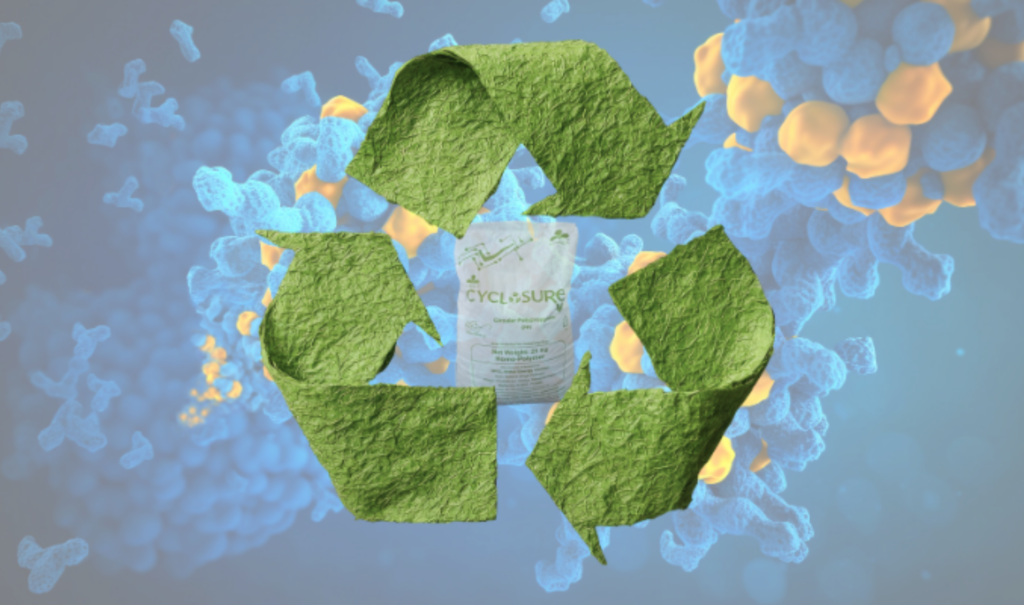
India’s growth story is closely linked with materials that make modern life possible. Plastics are an integral part of modern life and modern industry. From healthcare, food safety, to mobility, manufacturing and packaging, infrastructure, polymers are used across the industries. Their use helps improve hygiene, durability, efficiency, and scale. Complete value chains rely on them, as they are a necessity, more than just a convenience.
Yet, the very properties that make plastic essential also make it challenging at the end of its life. There is a need to manage its lifecycle with a circular or close-the-loop approach. Whether it is electronics, plastics, metals, or composites, the real issue is waste mismanagement, broken recovery systems and a traditional approach to dealing with used materials that makes valuable resources exit the system too soon, especially in the petrochemical industry.
Recycling remains one of the most powerful tools to address plastic waste mismanagement. Mechanical recycling has delivered value for decades, especially for clean and single-polymer streams. However, it has limitations when dealing with complex or contaminated materials. Chemical recycling breaks plastic waste down to its molecular or basic chemical building blocks. This process allows even hard-to-recycle plastics to be converted into high- quality raw materials.
Understanding this gap, HPCL-Mittal Energy Limited (HMEL) has launched its pioneering circular polymer brand ‘Cyclosure’. With the launch of ‘Cyclosure’, HMEL is moving beyond its Extended Producer Responsibility (EPR) approach to take responsibility for material value to the entire lifecycle. HMEL has been known for its worldclass integrated refinery and petrochemical operations for many years. Now, Cyclosure is a natural extension of its already-growing portfolio of sustainable products.
The Need for Circularity in the Petrochemical Industry
Material Use, Waste, and System Gaps
Modern industries and economies generate materials are an essential part of our modern lives. These materials pose challenge when there is no proper management and incomplete recovery of after-use material, which we call waste. And this fact applies across sectors, textile, consumer goods, electronics, construction and more. Plastics, due to their diverse usage and volume, simply make this gap more visible.
Most petrochemical products are used for various purposes, such as protecting food, enabling sterile medical environments, reducing weight in transport, or improving product longevity and they perform well most of the time. The loss begins after use, when contamination, mixed streams and poor infrastructure lead to incomplete recovery.
Circularity addresses this system-level issue. It focuses on finding ways to improve collection and processing and on ensuring materials remain economically and technically viable beyond first use.
Shift from Linear to Circular Models
The take, make and dispose approach, the linear approach, depletes finite resources and places strain on waste management systems. Circular models treat them as assets. For petrochemical producers, this means developing technologies and processes that ensure polymers return to the production cycle without loss of quality or performance. Moving from linear models to circular systems makes sure the greater reuse and recycling of materials. HMEL’s ‘Cyclosure’ is made with chemical recycling methods combined with traceable certification systems, enabling this transition at scale. In this way, it becomes easy to bring back the complex, after-use materials into the production cycle and convert them into feedstock suitable for industrial manufacturing. It means closing the loop without disrupting existing value chains.
What Is Cyclosure?
HMEL’s Circular Polymer Initiative
Cyclosure is the HMEL brand of chemically recycled circular polymers, developed as part of its broader sustainability and EPR initiatives. HMEL operates a modern refinery and integrated polymer production units in Bathinda, Punjab. It also operates a dual-feed cracker producing polyethene (PE) and polypropylene (PP) for diverse applications.
Cyclosure builds on this integrated infrastructure. At HMEL, plastic is considered an asset, and its true value lies in how it is treated after its use. Instead of treating post-use plastics as waste, here they are treated as recoverable resources. Cyclosure is ISCC PLUS–certified virgin quality circular polymer that meet industrial standards.
In 2025, HMEL dispatched its first commercial batch of Cyclosure BOPP, achieving circular polymer production at an industrial scale in India.
Focus on Recycling, Reuse, and Resource Efficiency
Cyclosure is designed around three principles:
- Recycling more than conventional limits, which means handling mixed and hard-to-recycle plastics
- Reuse without compromise. Delivering polymers comparable to virgin quality
- Resource efficiency. Minimising the dependence on fresh fossil-based feedstocks
The result is a material that is close to any other high-quality polymer in terms of reliability, consistency and suitability for highly demanding industrial applications.
How Cyclosure Works
Plastic Waste Collection and Processing
Cyclosure production starts with procuring after-use plastic recovered from municipal, industrial and commercial streams. However, these materials cannot be mechanically recycled due to contamination or complexity.
Through advanced chemical recycling processes such as pyrolysis and depolymerisation, plastics are broken down to their basic chemical building blocks. This molecular-level conversion restores material value rather than degrading it.
Recycling and Reintegration into the Value Chain
The recycled material is reintroduced into HMEL’s existing polymer production systems using an ISCC PLUS–certified mass balance approach. This ensures traceability and transparency and allows recycled and conventional feedstocks to be processed together easily.
The resulting output is Cyclosure polymer, which is widely used for diverse applications, including packaging, industrial products, consumer goods and more.
Cyclosure in the Petrochemical Industry
Supporting Sustainable Polymer Production
Although Cyclosure is a recycled material, it is considered as virgin-quality materials, complying required FDA norms. For petrochemical producers and converters, Cyclosure is like any premium polymer feedstock. Cyclosure can be used across applications such as consumer goods, flexible and rigid packaging, automotive components, and industrial products, and is safe for food-contact uses. And this diverse, at-scale use of Cyclosure helps meet sustainability goals without redefining the products or processes.
Reducing Reliance on Virgin Materials
Each batch of Cyclosure polymer produced means recovered materials re-entering the value chain. This innovation reduces dependency on crude‑oil‑derived feedstocks, improves material efficiency, and supports long-term resource planning. This is important for petrochemical producers. They can benefit from Cyclosure because they operate in markets with tightening regulatory standards on carbon footprints.
Cyclosure in the Petroleum Industry
Complementing Refining and Polymer Operations
The petroleum sector already manages complex hydrocarbon streams at scale. Cyclosure integrates naturally into this ecosystem. There is already infrastructure developed in the petroleum sector for refining and processing hydrocarbon streams. Adding Cyclosure in the petroleum industry matches with their existing operations. It multiplies the value extracted from raw materials and waste streams. Cyclosure contributes to circular workflows within the petroleum sector.
Aligning with ESG and Regulatory Goals
Many corporations in the petrochemical and petroleum sectors now publicly commit to reducing Scope 3 emissions and increasing EPR compliance. As a result, recycled products are increasingly integrated into product portfolios. Cyclosure in petroleum industry directly supports these commitments. It is suitable for voluntary sustainability goals as well as regulatory frameworks.
Key Benefits of Cyclosure
Environmental Impact
- Diverts recoverable material from unmanaged disposal
- Lower carbon footprint: Chemical recycling also reduces lifecycle emissions. When factories use recycled material, they are less dependent on virgin fossil material.
- Higher material circularity: The recycled plastics are strong and can be used again like new. That means more materials stay in use.
Sustainable Growth for Industry Stakeholders
- Petrochemical firms can add recycled materials to their portfolios.
- Cyclosure in the petroleum industry allows producers to reuse materials instead of fresh fossil inputs.
- Brand owners and packaging sectors can meet the recycled content rule easily.
Conclusion
Cyclosure reflects HMEL’s belief that the future of petrochemicals lies not in reducing material capability, but in using materials more intelligently. Plastics remain essential to modern economies. The responsibility lies in how their value is preserved, recovered, and reused.
As a circular polymer brand, Cyclosure reflects how integrated petrochemical producers can close the loop by combining performance, scale, and accountability. It helps the petrochemical and petroleum industries. They can reuse more material and have cleaner processes. Cyclosure facilitates a smoother transition for producers seeking to achieve their
sustainability goals. It is HMEL’s sustainability commitment translated into action, which means keeping materials in motion, strengthening value chains and building a future where growth and responsibility move together.
FAQs
Cyclosure is HMEL’s circular polymer brand created using advanced chemical recycling technologies that convert post-use plastic waste into virgin-quality polymers, supporting a closed-loop circular economy.
Cyclosure uses chemical recycling to break down complex and contaminated plastics into their basic chemical building blocks, enabling high-quality polymers that mechanical recycling cannot produce.
Cyclosure can process mixed, contaminated, and hard-to-recycle plastic waste sourced from municipal, industrial, and commercial streams that are unsuitable for mechanical recycling.
Yes. Cyclosure polymers meet required industrial and FDA norms, making them suitable for food-contact packaging as well as demanding applications across consumer goods, automotive, and industrial sectors.
Cyclosure helps reduce reliance on virgin fossil-based feedstocks, lowers lifecycle carbon emissions, improves material circularity, and supports EPR compliance and Scope 3 emission reduction targets.


 no updates